Level: empowering people with vibe coding
Level, the sessions where colleagues at UNICEF go from an idea to a working prototype with AI, and the AI Prototyping Sprint, where country offices bring a real problem and leave with something built.
- Role
- Founder, facilitator and organiser
- Period
- 2026
- Stack
- LovableClaude CodeWispr FlowVercel
I started Level, a series of hands-on sessions where colleagues at UNICEF learn to build working prototypes with AI. Then the same idea grew into an AI Prototyping Sprint, where country offices bring a real problem and leave with something built.
The needs
Most people at UNICEF have ideas for small tools that would make their work easier. A tracker, a dashboard, a form that checks itself. Until recently, every one of those ideas needed a developer, a budget and a queue.
AI tools changed that, but only for the people who already knew how to use them. Everyone else saw the demos and didn't know where to start.
Level, from zero to a prototype 🚀
I designed Level as steps. You join at Level 0 and you leave with something that works.
- Level 0, in May 2026, is the introduction to vibecoding. I teach a simple loop, Ideate, Plan, Act, with Lovable to build and Wispr Flow to talk instead of type. The goal is a working prototype by the end of the session.
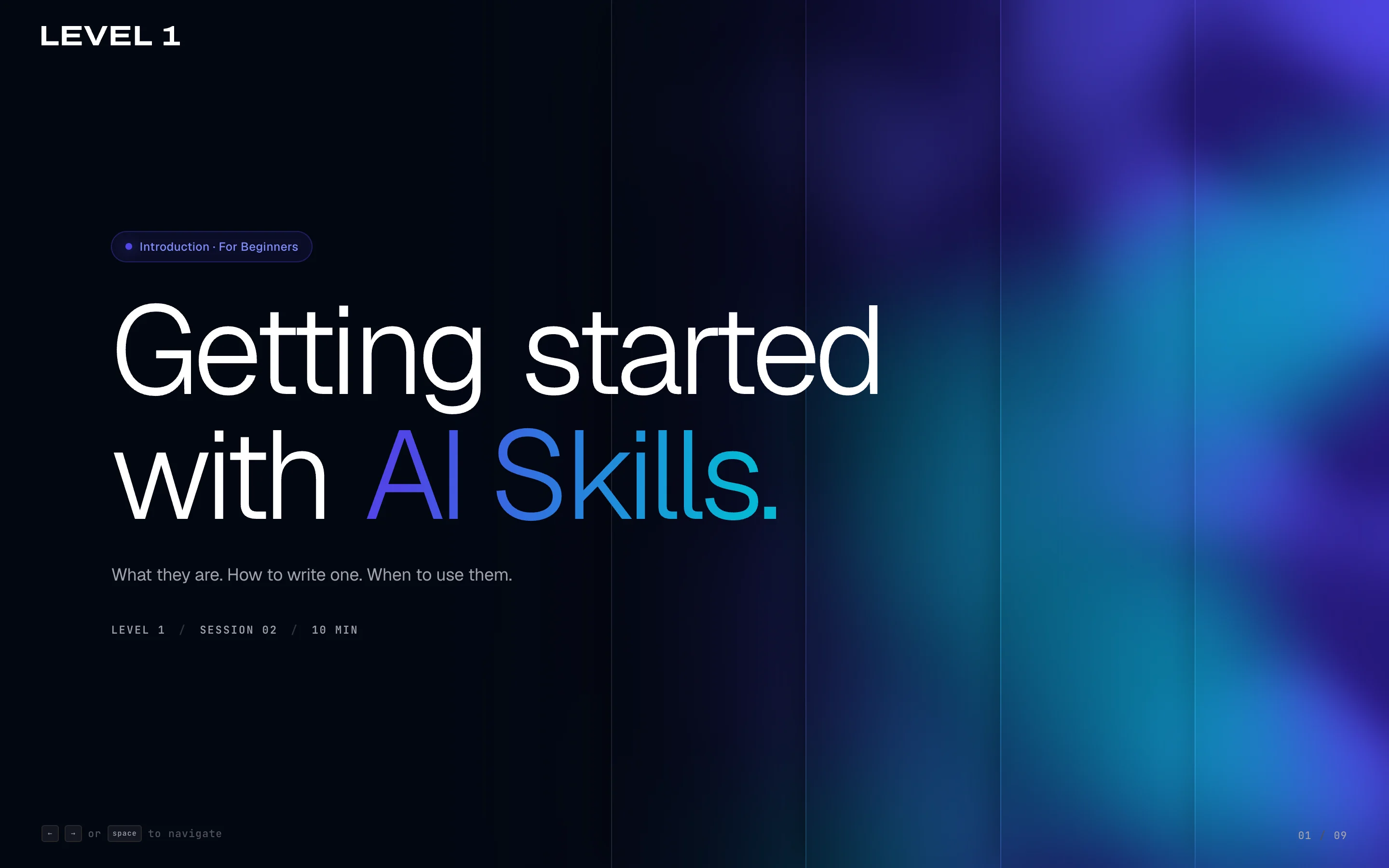
- Level 1, a week later, is about AI skills.
- Level 2, in June, is about data security and data sovereignty, with an external guest. Building fast is good. Knowing where your data goes matters more.
- Level 3 is getting started with Claude Code: from a prototype in the browser to a project you own, on GitHub, deployed from the chat.
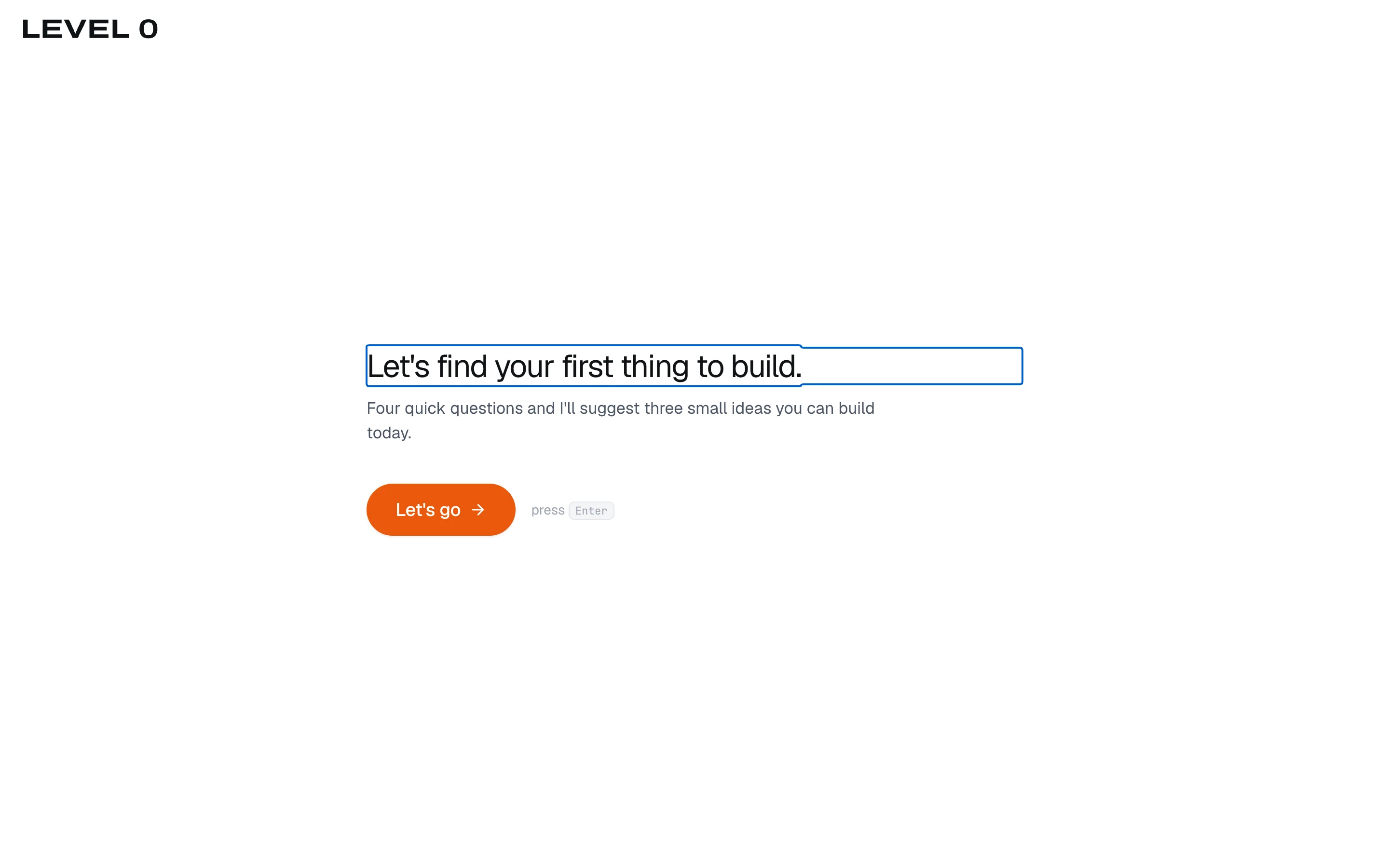
The hardest part of a first session is not the tool. It's the blank page. So I built Idea Finder: four questions, then three small app ideas you can build in about an hour, each with a prompt ready to paste into Lovable. It has a bank of twelve curated ideas as a fallback, so it never breaks in front of a room.
Each level has its own site with the steps, so nobody has to take notes while they build. I also brought the sessions to the UNICEF team in Stockholm.
The AI Prototyping Sprint
The Digital Inclusion team offers country offices a three day sprint in Geneva, at the end of November 2026. Each office brings a problem. We prototype it together, with UNICEF's own AI platform and with vibe coding in Claude Code. I'm the person on the team who works with the countries.
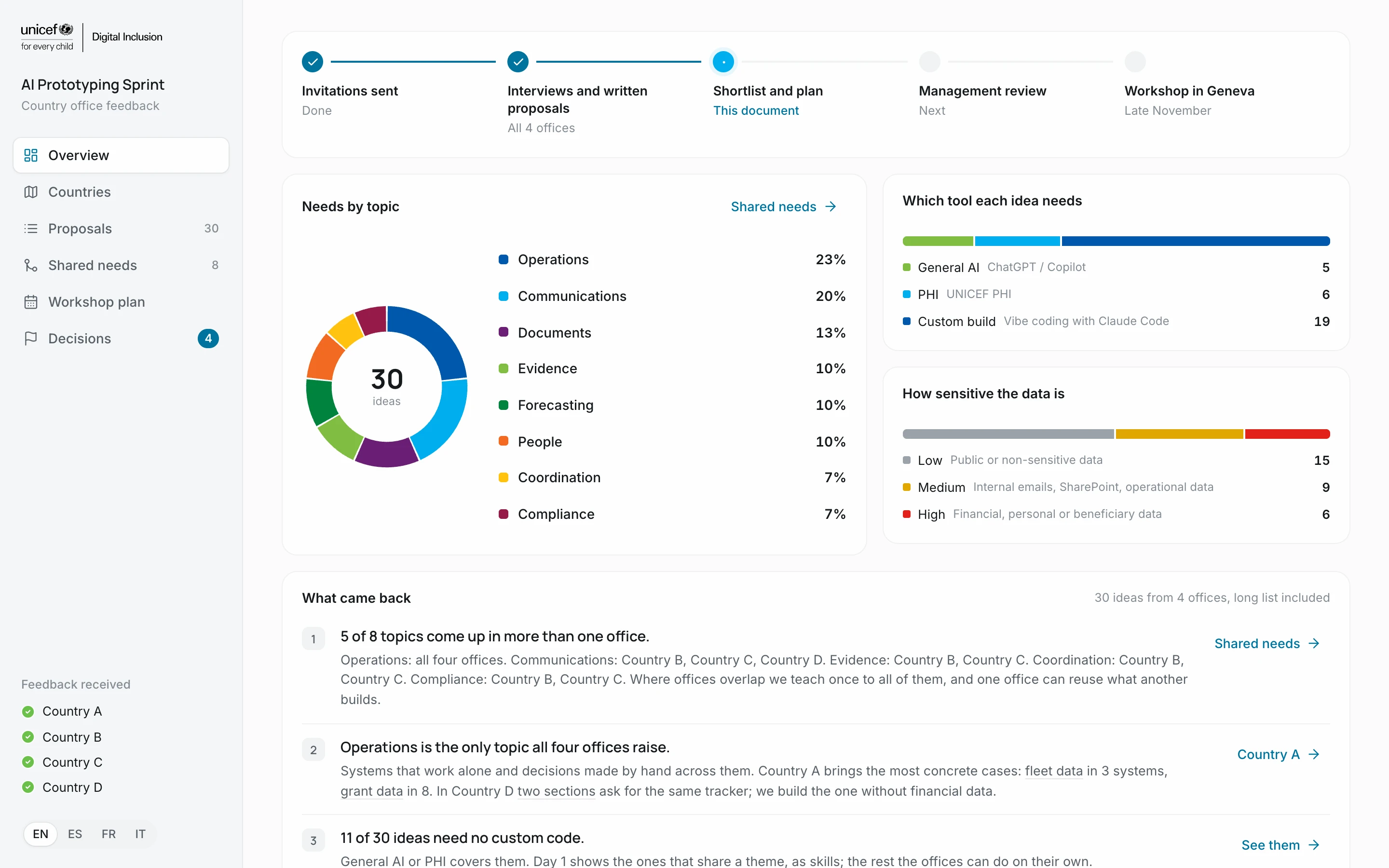
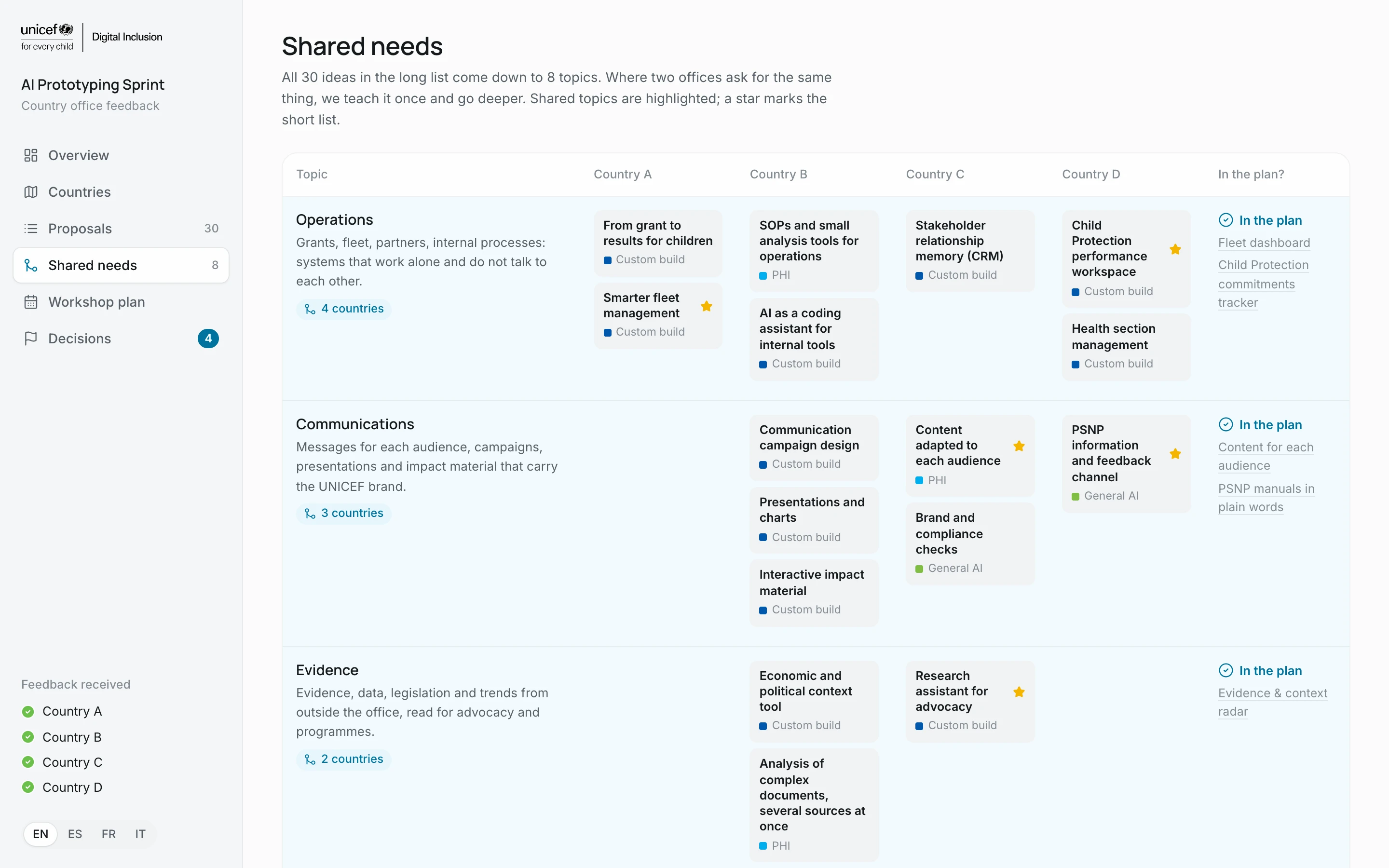
Four country offices sent their ideas, thirty in total. Reading them side by side, the same needs came back again and again: content written from UNICEF knowledge, context from outside, a view on what happens inside the organisation, document reviews, and one view across systems that don't talk to each other.
So I sorted every idea into one of three paths:
- General AI, for work that lives and ends inside a chat.
- UNICEF's AI platform, when the answer needs UNICEF knowledge.
- A custom build, for anything that has to live outside a chat: a dashboard you reopen tomorrow, a tracker that follows something over time, or material that has to stay on brand.
The rule for the shortlist is simple. Every country gets one custom build, plus the general AI ideas that share a theme with another country, so offices learn from each other.
Let's take a look
I turned the proposal into an interactive page for management. A map of the countries, every idea placed on a matrix of path and data sensitivity, a table of shared needs across countries, the shortlist, the three day agenda and the decisions that need a yes. The decisions page is read only on purpose: it's there to be approved, not edited. The page is in English, Spanish, French and Italian, because the people reading it work in all four.
Impact
More than 60 colleagues have taken part in Level so far. When a proposal for a UNICEF wide AI community was written in August 2026, Level was its main internal evidence.
The sprint runs at the end of November. Four country offices go in with a shortlist, an agenda and the decisions already on the table.
More screens